The tree that feeds, fuels & cleans the water.
Moringa may be the most useful single plant on earth. We want to plant it by the acre on irrigated desert land between Imperial Dam and Yuma — and work it together, as a cooperative, so the food, oil, water and income stay with the people who grow it.
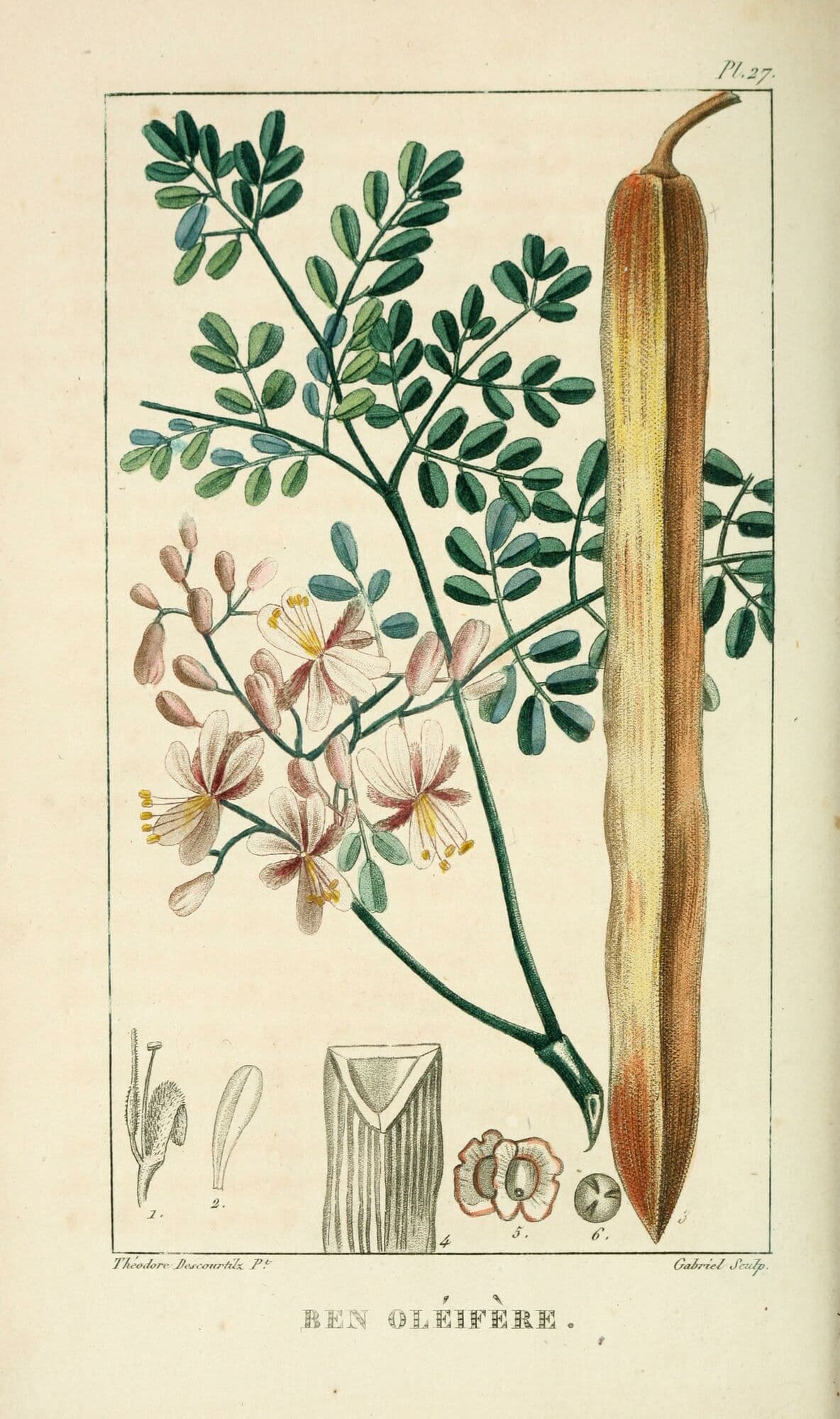
“Ben Oléifère,” Pl. 27Descourtilz · public domain
Explanation of the plate
- Roots & bark: leave them in the ground. They carry a compound that is toxic in quantity.
The idea, in one breath
Put a hundred irrigated acres of moringa in the ground near the Colorado River. Let hundreds of people work it as owners, not hired hands. Share everything the tree gives — food, oil, clean water, feed, fuel savings and income.
Plant
Start with one proven acre, then lease 5–20, then build toward 100 acres of irrigated land with real water rights.
Read more ii.Work
A cooperative: members co-own the land and share the harvest. A year-round core crew plus the winter community at the LTVAs.
Read more iii.Share
Leaf powder, pods, oil, seed, honey and compost feed members first; the surplus is sold to fund the co-op.
Read moreSpecimens
Every part has a job.
 Nº 01
Nº 01 Nº 02
Nº 02 Nº 03
Nº 03 Nº 04
Nº 04 Nº 05
Nº 05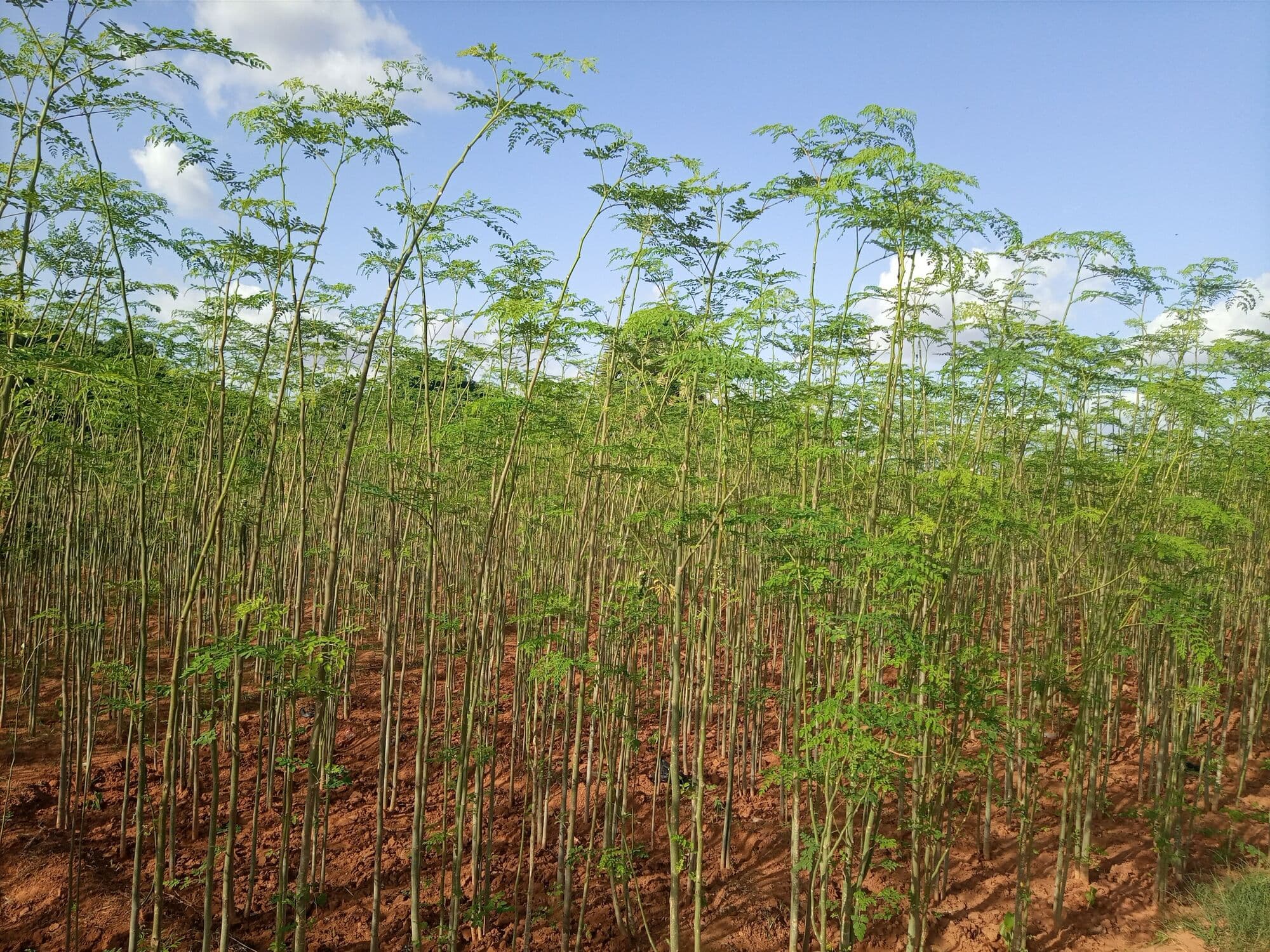 Nº 06
Nº 06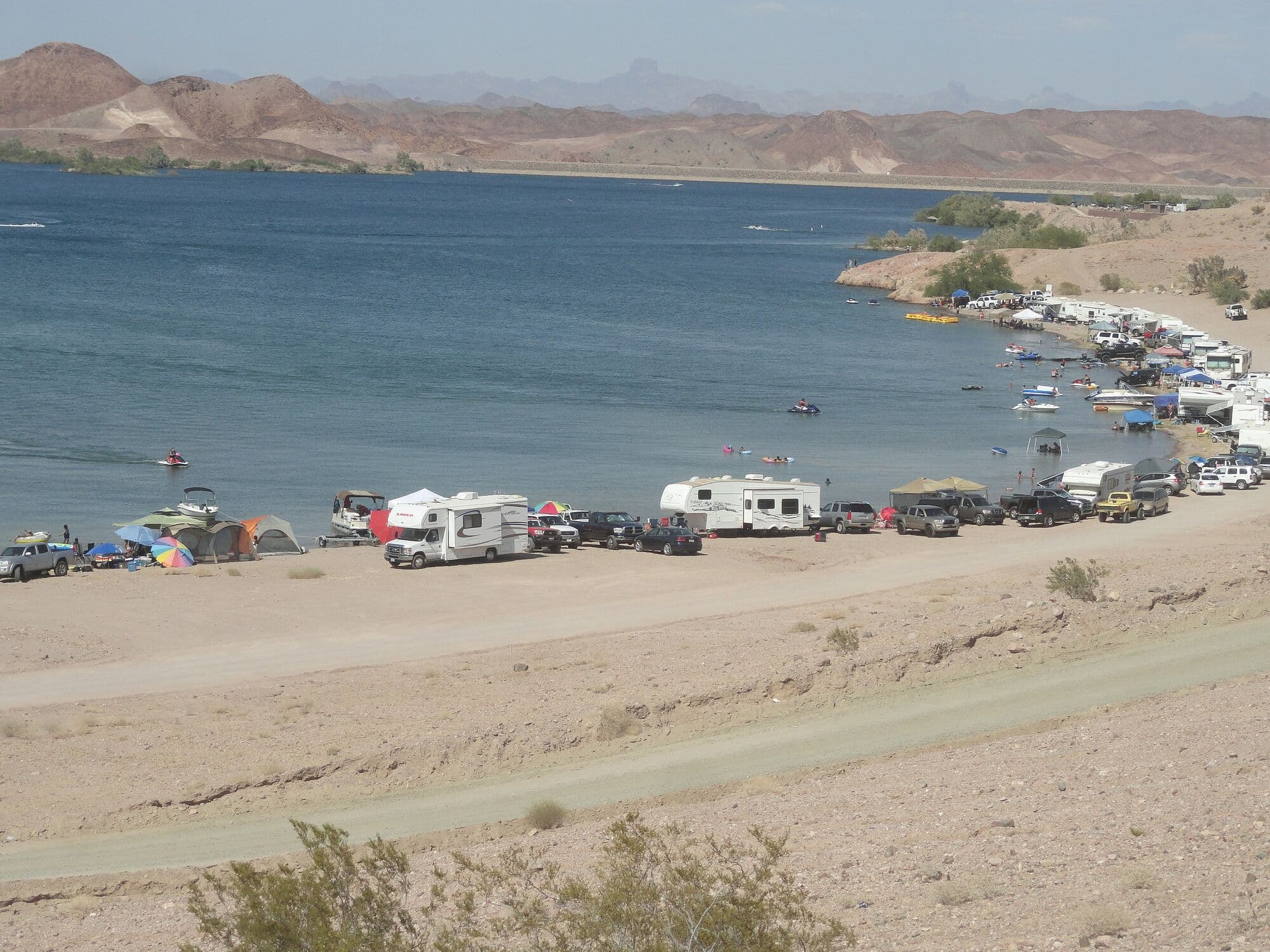
Senator Wash, beside Imperial Dam LTVA
Why here: the desert is almost perfect.
Heat & sun
Moringa thrives at 77–95°F and shrugs off 110°F+. Yuma is one of the sunniest places in the country — great for solar too.
Barely any frost
A handful of light frost nights, mostly December–January. Young trees get a frost cloth; mature trees bounce back.
River water
Irrigation districts along the Colorado carry some of the most senior water rights in the Southwest.
People
Thousands of winter residents at the LTVAs and RV parks — the workforce and the market, right next door.
The catch is water. About 3 inches of rain a year. Cheap desert parcels are cheap because they have none. Everything about this plan starts with land that has irrigation-district water rights or a legal, usable well. Land & water →
Field evidence
It already grows on sand.
Moringa is planted across dry, hot country in Africa, India and Latin America because it tolerates drought and poor sandy soil — as long as the young trees get water to get started. The ground in these pictures looks a lot like Imperial County.
How we’d grow it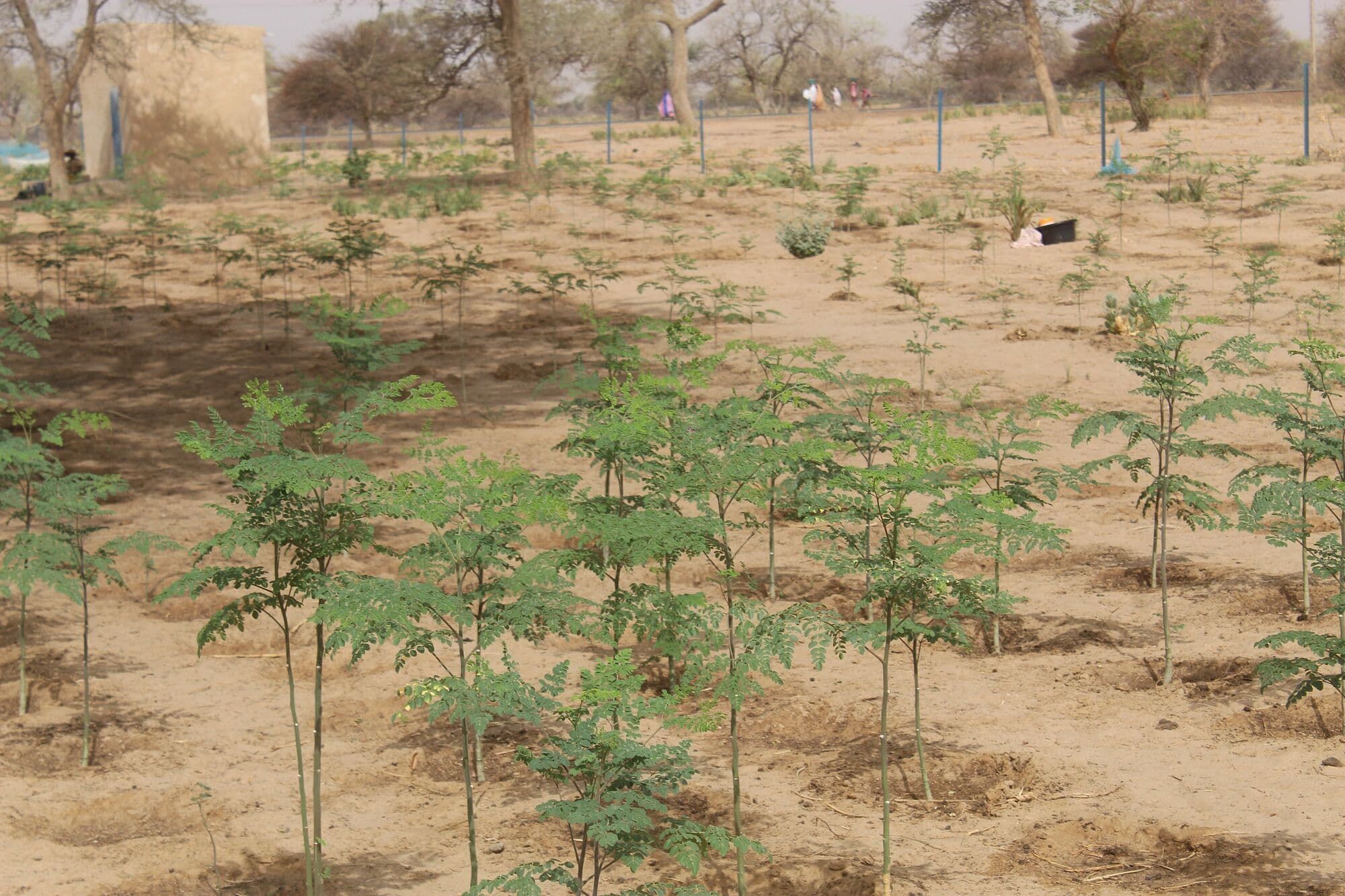
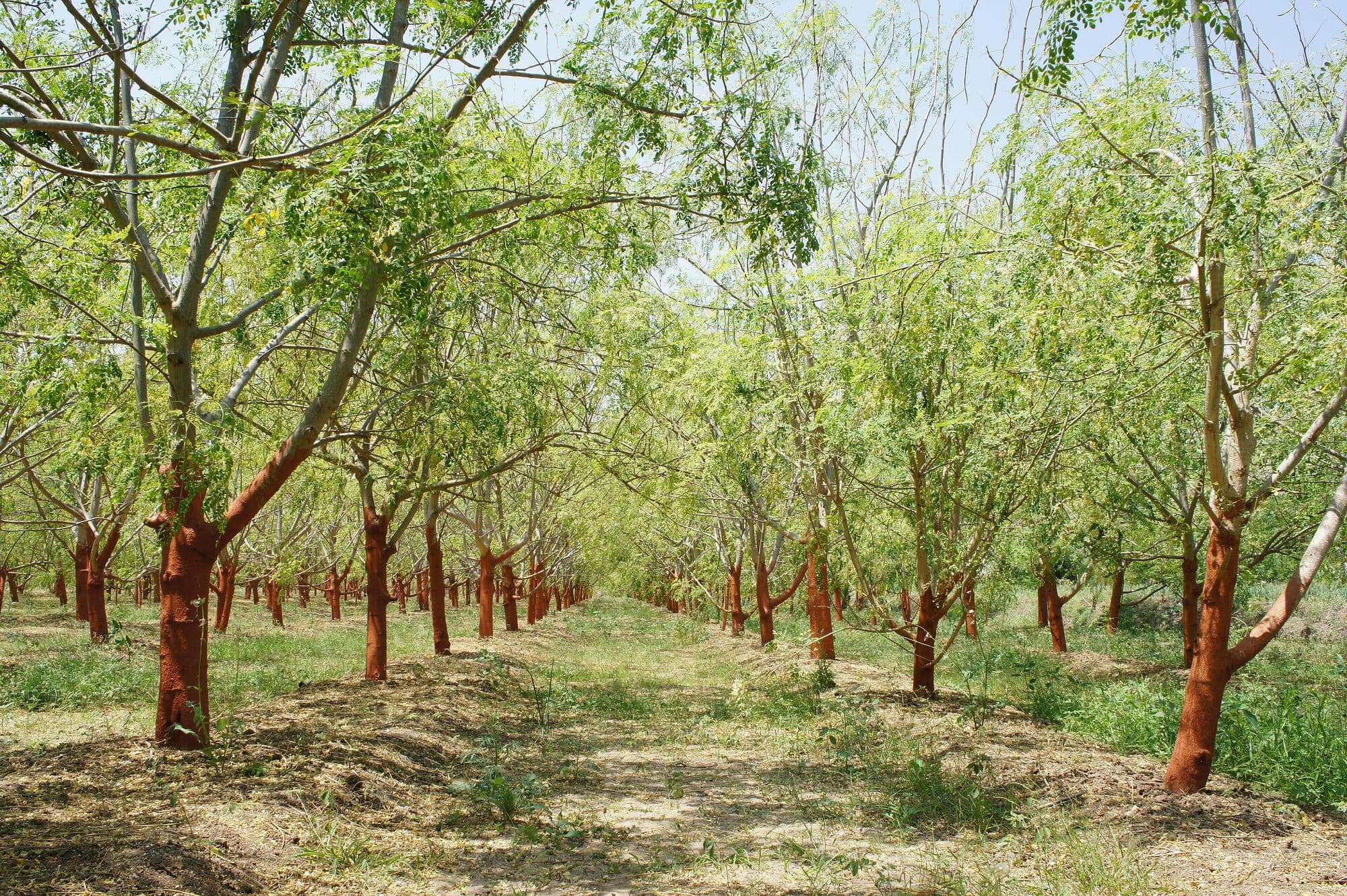
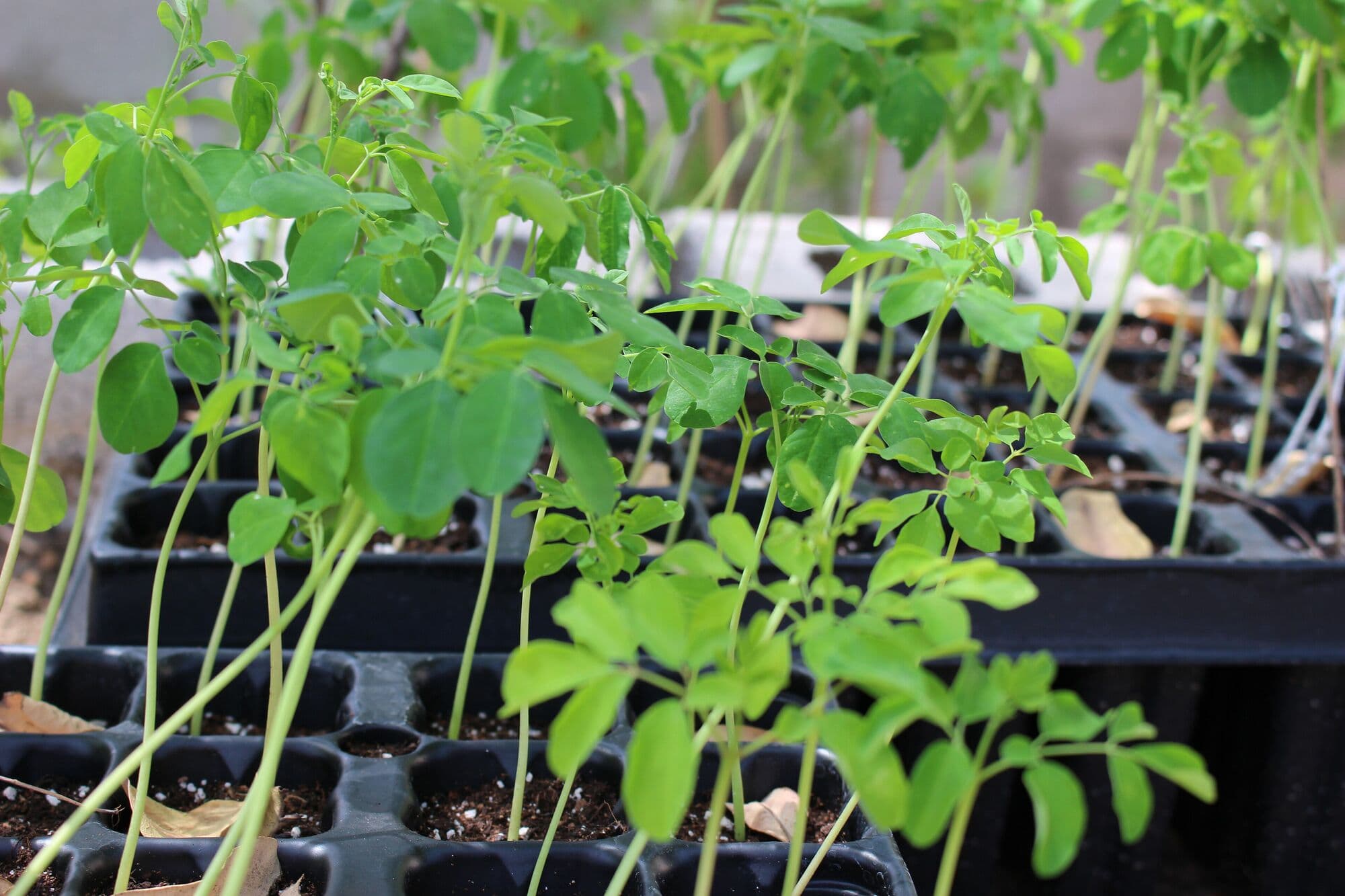
The honest numbers
We’d rather you trust us than get excited.
week ending September 21, 2026. California: $8.25.
A 32-gallon truck tank would need over half a ton. Moringa oil is worth more sold than burned.
Typical retail. Leaf powder, not fuel, is the real business.
Irrigated farmland nearby runs ~$12,500 to $54,500/acre. Dry land is ~$2,300 — but has no water.
Roadmap
From one acre to a hundred.
- 01
Winter 2026
Scout land. Call the water districts, BLM, USDA and UA Extension. Order PKM-1 seed. Trial seedlings.
- 02
Spring 2027
Secure a first acre with water. Solar, drip lines, nursery. Plant out March–April.
- 03
Summer–Fall 2027
Shade the young trees. First leaf harvests. Drying racks, grinder, first pods, a small oil press.
- 04
2028 →
Full production. Form the co-op, apply for grants, lease 5–20 acres, then build toward 100.
Want in? There’s a job for every kind of person.
Growers, landowners, restaurant owners with used fryer oil, grant writers, builders, cooks, beekeepers, and people who just want good food. Start with the one-page brief, or tell us how you’d like to help.